Prison Radio

We Drove 8 Hours


Greetings!

On June 13th, Prison Radio Volunteers Evan Lyons and Chris Folk visited correspondent Christopher Hill

As we unfurled from our first four hours in the car, we were greeted with an eerily quiet parking lot baking in the sun. Like thousands of his listeners, we were moved by Chachi’s, aka Christopher Hill, impassioned demands for justice and inspired by his resilience. He had called us to get an ETA while we were still 50 minutes out, and we imagined him waiting for us behind the layers of razor wrapped fencing as we walked up to the dark glass doors.

Upon opening the door, Evan noticed a sign prohibiting visitors from bringing anything besides their car keys and ID into the building. We trekked back to the car and emptied our pockets before trudging back across the black top. Then we noticed a white sign covered in small black text instructing all visitors to remain in their vehicles, dial a number, and wait for a call back. We, again, doubled back to the car, keeping a wary eye out for more fine print. As Evan spoke on the phone, he eyed my outfit. 

“You can’t wear shorts”.

“What?”

“Visitors can’t wear shorts”

Thankfully, the Prius we were borrowing from Noel, a prison-visiting veteran, had some sweatpants stashed in the back that I could throw on. She stores clothes in her trunk specifically because of these rules.

What finally ended up being a relaxing 40-minute visit with Chachi took four weeks of careful coordination between the inside and outside. In order to start the process of visiting someone incarcerated in PA, the person incarcerated must add the would-be visitor to their approved visitor list using the information found on the would-be visitor’s government-issued ID. This can only be done twice a month. To get ID information to an inmate, one has to set up an account with ConnectNetwork GTL – a semi-functional messaging platform that is very good at charging money to send monitored messages. Inmates can only add phone numbers at the beginning of each month, and only if they don’t already have more than the allotted number of contacts that prisons allow them to have. On the outside, visitors must make and verify an account with the PADOC Inmate Visitation System and enter the exact information that the incarcerated person added on their side. If any part of it does not match the information your loved one on the inside entered, visitor applications are rejected without reason, and visitors must contact customer support – the contact information for which can be found buried in a PA.gov web page.

Once you have finally navigated communication delays caused by prison surveillance, fine-combed applications, and customer support back-and-forths, you may finally schedule a visit on a specific date during a specific time. No visits on Mondays or Tuesdays.

Chachi helped us navigate each step of this process as we got to know each other over the course of weeks. He told us about how busy he was staying with his mentorship programs, constantly battling the prison to maintain these critical social structures which helped young people navigate the difficult realities of prison life. He told us what it was like to run around West Philly and Upper Darby as a child, reminiscing on growing up and the lessons learned. He loves the Flyers and the Sixers, and even regional college teams like Villanova. Consistently gentle, kind, and inquisitive – his wisdom bled through the static-y phones and clunky email service.

Once we were finally able to meet Chachi – having complied with parking lot policy, passing through a metal detector, and having our hands swabbed for illegal substances – we were excited to see a well-built man with kindhearted eyes take bouncy strides into the visiting room, which was much like a large hospital waiting room.

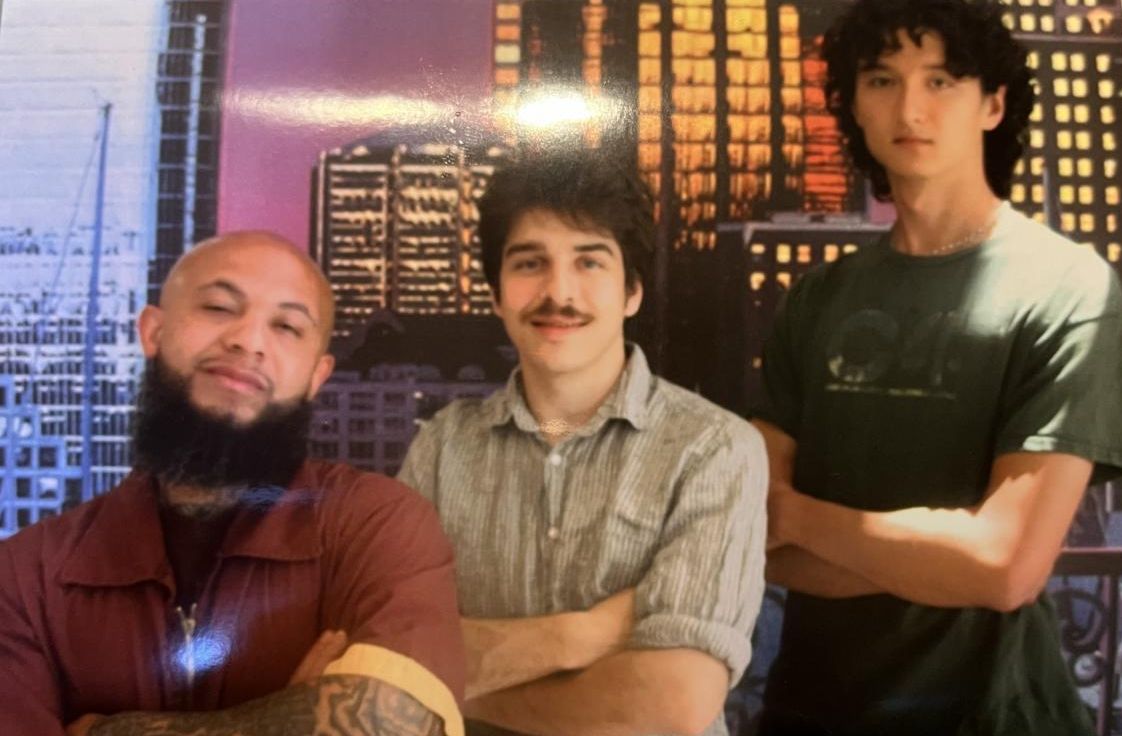
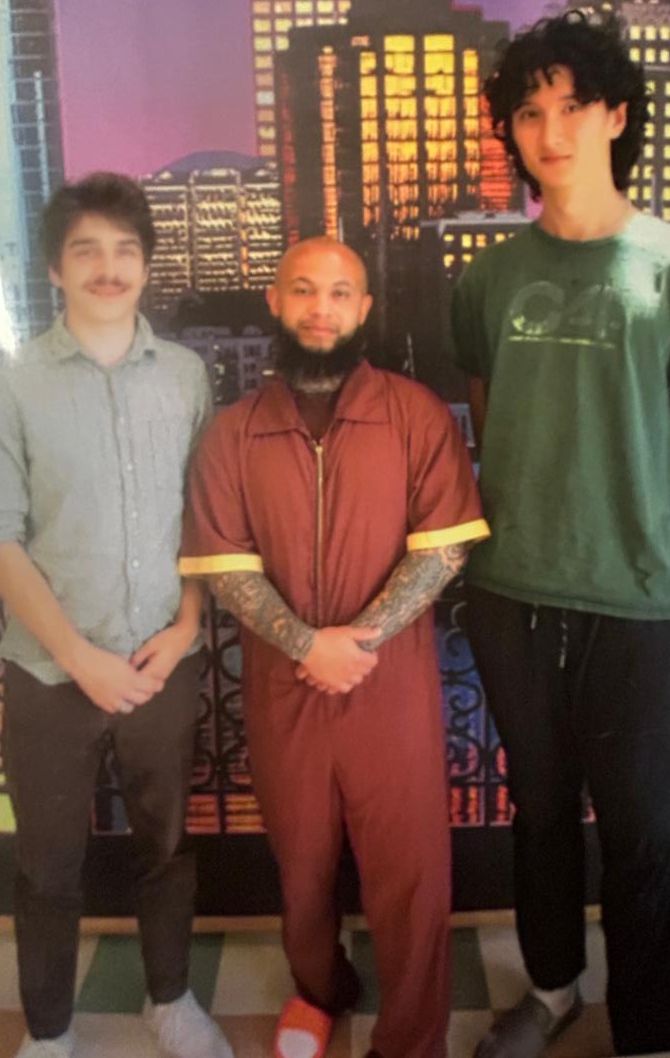
We snapped a few pictures with him, changing up the poses for the photographer, who was also a prisoner wielding a dated digital camera. Finally sitting down with our friend, a little silence preceded a warm conversation in which we told him about where we’d grown up, where we’d gone to school, and what brought us to Philly. In turn, he told us about the different hats he wore – as a mentor, student, fiancé, nephew, grandchild, and attendant at the janitorial chemical closet. His eyes twinkled as he anticipated us speaking, his brow furrowed as he outlined the suicide epidemic in Houtzdale. His chest heaved as he sighed, reflecting on the constant change in prison and the difficulties everyone inside had adjusting to them.

 “Change,” he told us, “is the only constant in prison.”

A roll call from the Correctional Officer at the elevated desk at the front of the room called the afternoon visiting block to a close. We shuffled our feet to the front as we vowed to bring money next time for the vending machines only in the visiting room with the better snacks and figured out how we could get the pictures we took into our hands. Evan and I walked down a long, cinderblock hall similar to ones found in our high schools while Chachi was subjected to a routine strip search – prisoners are strip searched after every visit – forced to expose his body to the scrutiny of Correctional Officers. We climbed back into the car and drove through small towns, passing the Bass Pro Shops we had stretched our legs at earlier, and made it back to Philadelphia, blocks from where Chachi had spent his first years of life. Evan made me think that I had lost the car key that he had absent-mindedly put in his bag. Chachi typed emails and penned letters to us thanking us for taking the time to build a connection in spite of all the institutional repression.

The visit took the whole day, and it was frustrating jumping through each little hoop just to get in the door, but so often it’s the first time that’s the hardest. I know all three of us are deeply committed to building habits that build community that’s what will get us through the hardest times.

Dare to struggle, dare to win,

Chris Folk, Prison Radio Volunteer

Evan Lyons, Prison Radio Volunteer