|
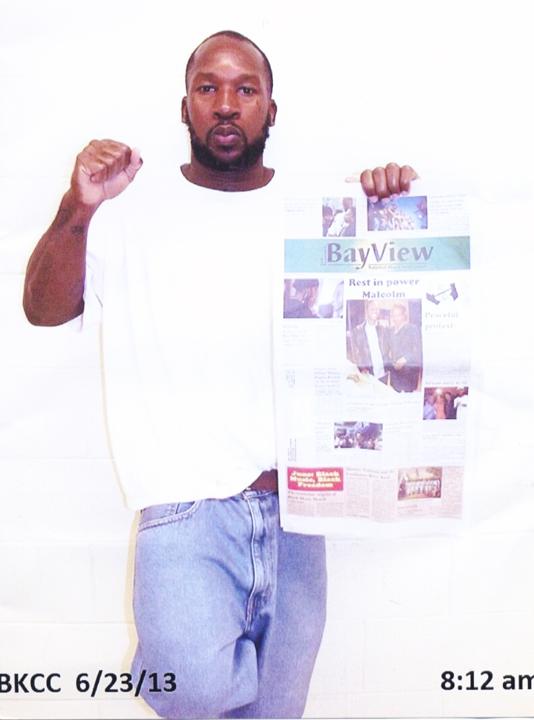
But I’m talking to you today from the outside, and I have a message: The prison doesn’t end at the gate. It follows you home, out into the community. They call it re-entry. That’s a lie. You can’t re-enter a society that has spent thirty years creating walls to keep you out. I walked out of that cell in 2025 ready to build some kind of future for myself. But like I said, the carceral state is a ghost that follows you home. It sits at the desk of every HR manager. It stands in the lobby of every apartment building. It whispers to every bank officer.
No job. Because thirty-one years of survival in prison doesn’t count as experience and no one really wants to hire a violent felon.
No housing. Because my criminal record is a scarlet letter that tells landlords I don’t deserve a roof over my head.
No credit and no loan. Because the financial system doesn’t trust a human being who doesn’t have a credit history. A credit history I was unable to build because I was sent to prison as a kid and remained there for my entire adult life.
We need to stop calling these barriers. These aren’t accidents. These aren’t glitches in the system.
This is deliberate structure. The state deliberately designed these obstacles. They want us hungry. They want us homeless. They want us jobless. They want us desperate. Why? Because a person with no options is a person who is forced to engage in desperate acts of survival and that is person who is easy to put back into a prison cell.
The system doesn’t want us to assimilate; it wants us to fail. It relies on our recidivism to keep the beds full and the budgets high. It is a cycle of perpetual disposability designed to disappear Black and Brown bodies from our families and our communities.
This is part of the reason I founded the Incarcerated Women’s Clemency and Support Project as a way to help free incarcerated women, queer and trans people, and criminalized survivors of gender-based violence. But this project isn’t just about helping the free the most forgotten and marginalized sector of the prison population. It’s also about helping to tear down the walls; it’s about building a world where those walls aren’t necessary. When we in the IWCSP say abolition, we am not just talking about the years lost behind the walls. We are talking about the now. We are talking about the right to be free as a fundamental human right, not a privilege.
You can learn more about the IWCSP and the work we are doing and the campaigns we are building on our website at www.iwcsp.com. Thanks for listening.
|