
https://redonionva.substack.com/p/prison-radio-noelle-hanrahan-virginia-vadoc
For more than 30 years, the nonprofit’s elevated the voices of people like Kevin “Rashid” Johnson and Mumia Abu-Jamal.
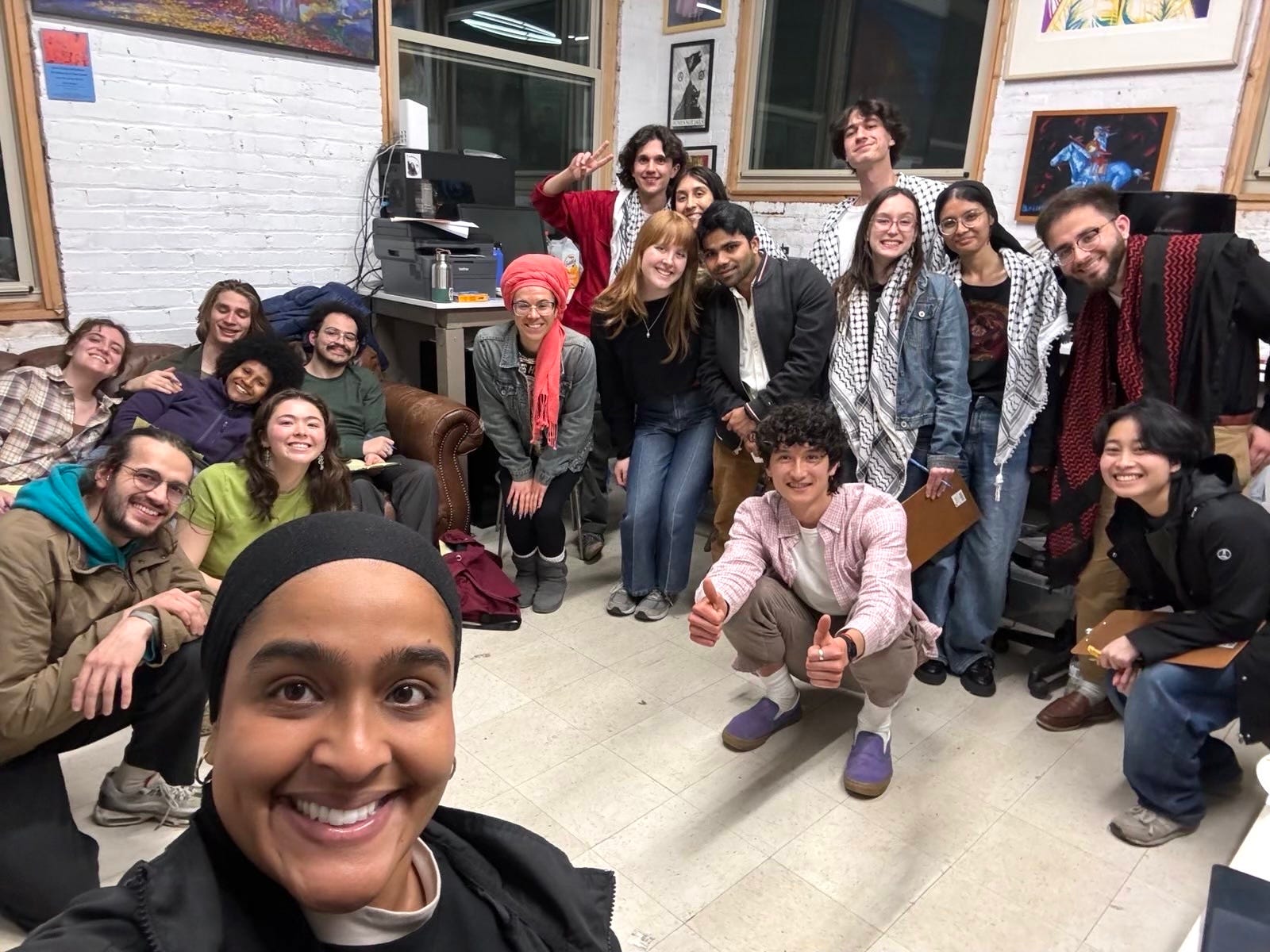
Hearing directly from people experiencing the carceral system in Virginia is dramatically different then reading about it. Noelle Hanrahan figured that out decades ago and started Prison Radio, a nonprofit with a pair of offices and a handful of interns who work with incarcerated people to record and publish their insights.
It’s oral history in the present tense.
The organization was among the first to publicize incidents of self-harm at Red Onion State Prison. And since last year, Prison Radio’s continued to post recordings by Kevin “Rashid” Johnson and Ekong Eshiet — who both were transferred out of the commonwealth following self-immolation.
Hanrahan recently discussed Prison Radio’s history, its editorial process and the organization’s future with Red Onion Resources.
The following has been edited for length and clarity.
Dave Cantor: I think Prison Radio has been around for about 30 years. So, what changes in the prison system have you seen and how do you think your work factors into that?
Noelle Hanrahan: I think that we began at a time when it was exploding, in terms of mass incarceration, and so we lived through it. It was very much like being a frog in a boiling pot of water.
I’ve seen prisoners’ voices now become ubiquitous in the media. When we started, it was just us and two other groups. Now, I think, we are very different than many representations of prisoners’ voices in the media because we do not censor.
We follow FCC rules, in terms of the seven dirty words, and we don’t allow ad hominem attacks … but everything else is really on the prisoners, and [we’re] able to amplify what they want to say. So, we hopefully put up a huge bullhorn to help them reach the public.
That makes us very different than journalists who selectively curate voices that they can get on the air. We have run into “Uncuffed” and we’ve run into “Ear Hustle.” Both of those are fantastic programs coming out of California prisons, made by prisoners, but they are what the prison wants you to hear.1 They are censored. They are prison-produced audio that, for the most part, is fantastic. But you also have to know that they are cultivating and curating that. They are not allowing the prisoners to have their editorial integrity.
So, can I ask you about Prison Radio’s editorial process and how fact-checking works? Have there been instances when you found assertions being made that were not necessarily accurate?
You know, we do help the prisoners cultivate their approach. We really advocate for them to use a shorter amount of time, because radio programmers have a spot for one minute, two minutes and three minutes. It’s very difficult for people to listen to more than that, given the landscape of radio. So, we do have those parameters.
When I know that somebody’s making a mistake in how they pronounce a name — or their [math], because that happens, I will say, “Hey, let’s take that again. I think the number is this.” And they’ll say, “Oh, OK, I’m sorry about the math.”
We will correct on the fly, so we help them in that moment. We will look up things for people. We’ll be on the internet while they’re talking and we’ll do a pickup to correct it. We have very rarely come across out-and-out fabrications or lies. If we ever think that there is something that is difficult for us to figure out, we have a collective meeting. It happens very rarely. We will talk to the prisoner, try and figure out how to make the editorial process work.
We’re pretty much hands-off. I don’t think we’ve ever had a case where I thought somebody was liable — and I’m a lawyer. I was a private investigator. I was a journalist and I am a journalist. I’ve been one for 30 years. So, I know the editing and the fact-checking [process], and libel laws.
Our guys are pretty clear that they’re doing essays that are meaningful to them. They’re very careful.
I think this might be because of my focus on Red Onion, but it seems like you’re working with more folks from that facility. So, can you talk about how those relationships were developed and where else you work with people who are incarcerated?
We work with people all over the country. We have a big cadre of people in Michigan, California, Pennsylvania. I think there’s 100 institutions and 40 or 50 prisoners that we work with.
Red Onion happened because we were contacted by a few people inside, and then we contacted their families, and we started recording them. Kevin “Rashid” Johnson was one of our main correspondents over the years, and he was incarcerated there some years ago. He was just transferred there last year and transferred out again. So, we were in contact with him. We were able then to record more people at Red Onion.
When we approached the media with the story, the media kept saying that it wasn’t a story, that the self-immolation wasn’t happening, and the prison was also saying it wasn’t happening. So, what we did was, we called the prisoners’ families. We got the records for them being transferred to burn units in Richmond, we called the hospital, we fact-checked.
I wrote a story for “Inquest,” where we talked to the families; we talked to Marsha Pritchard, the mother of Ekong [Eshiet]. We’ve been recording calls from other people and we fact-checked the story when we initially got it.
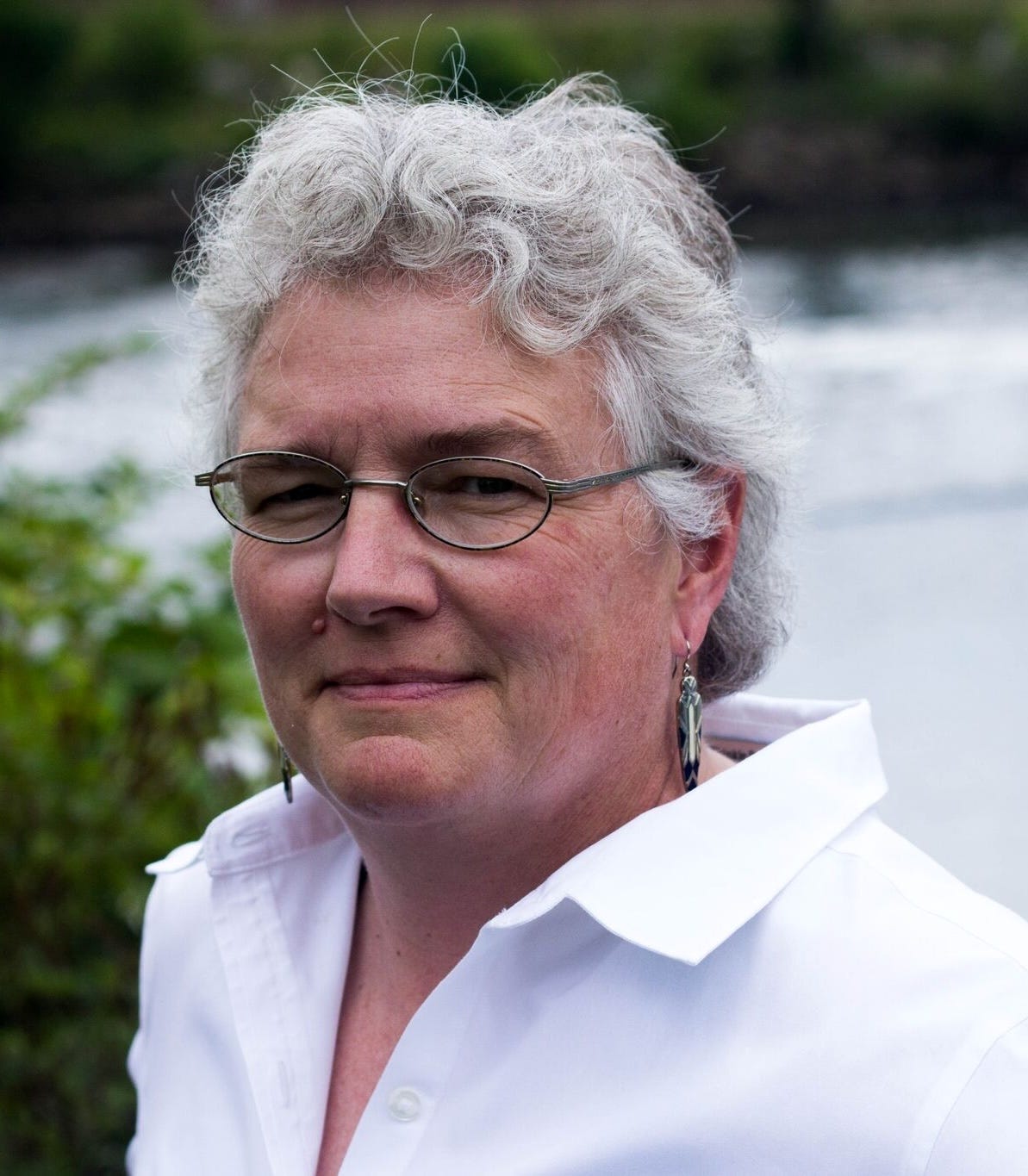
Can you talk about your piece in “Inquest” and your interactions with the Virginia Department of Corrections?
I think that what happened was we reported the story. So, we have the energy and calories to talk to the prisoners and fact-check the story, and move it through the editorial process and talk to different people — legislators and activists on the ground of Virginia.
When we were doing that, we also did a postcard campaign and we did an e-blast. We advocated for the exposure of these issues and for the prisoners’ rights. And when we did that, we kept seeing reports and press conferences by the prison [officials]. So, the prison went on the offensive to try and deny the story.
It was their public-facing publicity that actually codified the issue. Then, they also testified before [a Virginia public safety committee] meeting and we recorded that. We heard all the people speaking and we heard the DOC again misstating what had actually happened, and also misstating what they were trying to do.
The Office of [the State] Inspector General — I am deeply concerned that they’re not doing enough and that their purview is not being effectively done, and that the legislature should put more pressure on them. I don’t think that they set it up the way that they should have set it up.
You must have amassed thousands of recordings over time. Do you have a plan for maintaining that repository?
We have always created media in addition to [storing recordings on] hard drives. So, there’s that copy and much of it has been burnt onto CDs. While CDs might not have been the most stable storage, they were the one that we chose at the time.
Our metal tapes from 30 years ago are actually probably the better storage mechanism, because they last longer — the Ampex tapes.
We have been careful as we create the material to make sure there are backups. And we have rented studio space in Philadelphia that has a vast archive. And we have built special custom cabinets in San Francisco to house all of the media. At some point, we are probably going to transfer it all to some climate-controlled university.
Have you started talking to people about that?
I think Brown University would take it. We have to just reach out to different places that might be [a good fit]. But it really should be in an accessible location that researchers can use in the future. We’re just not sure.
I know that these places exist.
I know that Johns Hopkins [University] developed a big library of prison materials. I know Stanford University took the Black Panther archives and also has the Martin Luther King archives, and I’m a graduate of Stanford.
There are places that definitely would house this material. But making it accessible, I think, that’s probably going to be the big issue.
Prison Radio’s posted two collections of recordings on BandCamp. One’s focused on Palestine and the second on Red Onion. How did those develop and what’s the goal for each?
We’re also working on a new one on trans voices from prison.
This was inspired by interns. So, when interns come into Prison Radio, they have great ideas. They decided they wanted to do a Bandcamp album and collect the materials that we had produced about Palestine.
It’s really the inspiration of those who come join us and who are working with us. And then, they see what’s being created by the prisoners and then it’s a collection of those materials.
We very rarely do this, but we do do it: We actually look for prisoners talking about certain issues. We’re looking for women prisoners talking about issues and we’ve developed that story. We were looking for prisoners talking about COVID. We’re looking for trans prisoners talking about trans issues inside. There are times when we put out a call for certain areas to be further developed, and sometimes these result in the compilations.
You’ve already mentioned your background being in interrelated but different disciplines. So, would you be able to do what you’re doing without legal experience?
The law degree and the private investigator’s license really does help me advocate for the people that we are working with and meet their needs.
They’re collaborators, they’re colleagues. And so, when they have needs about their housing situation, their medical care, their innocence cases, it helps us work with them on a more real level.
There’s something that happened [to me] a number of years ago, where as a journalist, could I just work amplifying these voices? Is that enough? And frankly, it’s not enough. It’s not enough to only give the media access to prisoners. We have to actually change the dynamic where these people are serving, the times that they are serving.
What do you think your biggest accomplishment’s been during Prison Radio’s 30-plus years?
I think Prison Radio energized the media’s interest in hearing from people inside. I wanted journalists to understand that they couldn’t cover the story without talking to people inside. Like, you can’t do a story about death row without talking to a death-row inmate. That’s just not possible.
So, I thought that fundamentally it was good journalism to include the people who are really at the center of the story. I think there’s a vast difference in how the media is now integrating voices from prisons. We were very consistent very early on, and we helped make the media aware that these were stories that needed to be told.
